 Save
SavePeel-and-stick is the great democratizer of home upgrades: real transformation, no contractor, reversible if you rent. It's also a category where half the products are excellent and half end up curling off the wall in a humid week — and the marketing photos look identical for both.
Here's the honest breakdown, product by product.
Peel-and-stick backsplash tile: mostly worth it
The star of the category. Modern gel and vinyl "subway tile" panels have real dimension and gloss — at eye distance, guests genuinely can't tell.
Where it works: kitchen backsplashes, bathroom walls outside the shower, laundry nooks, rental kitchens above all.
Where it fails: inside showers (constant water defeats every adhesive eventually), directly behind a stove without clearance (heat softens cheap vinyl — check the product's heat rating and keep the specified gap), and on textured or freshly painted walls.
Cost reality: $30–80 for a typical kitchen backsplash vs. $300–800 for real tile installed. Even if it only looks 90% as good, the math is absurd.
Removable wallpaper: worth it, with one warning
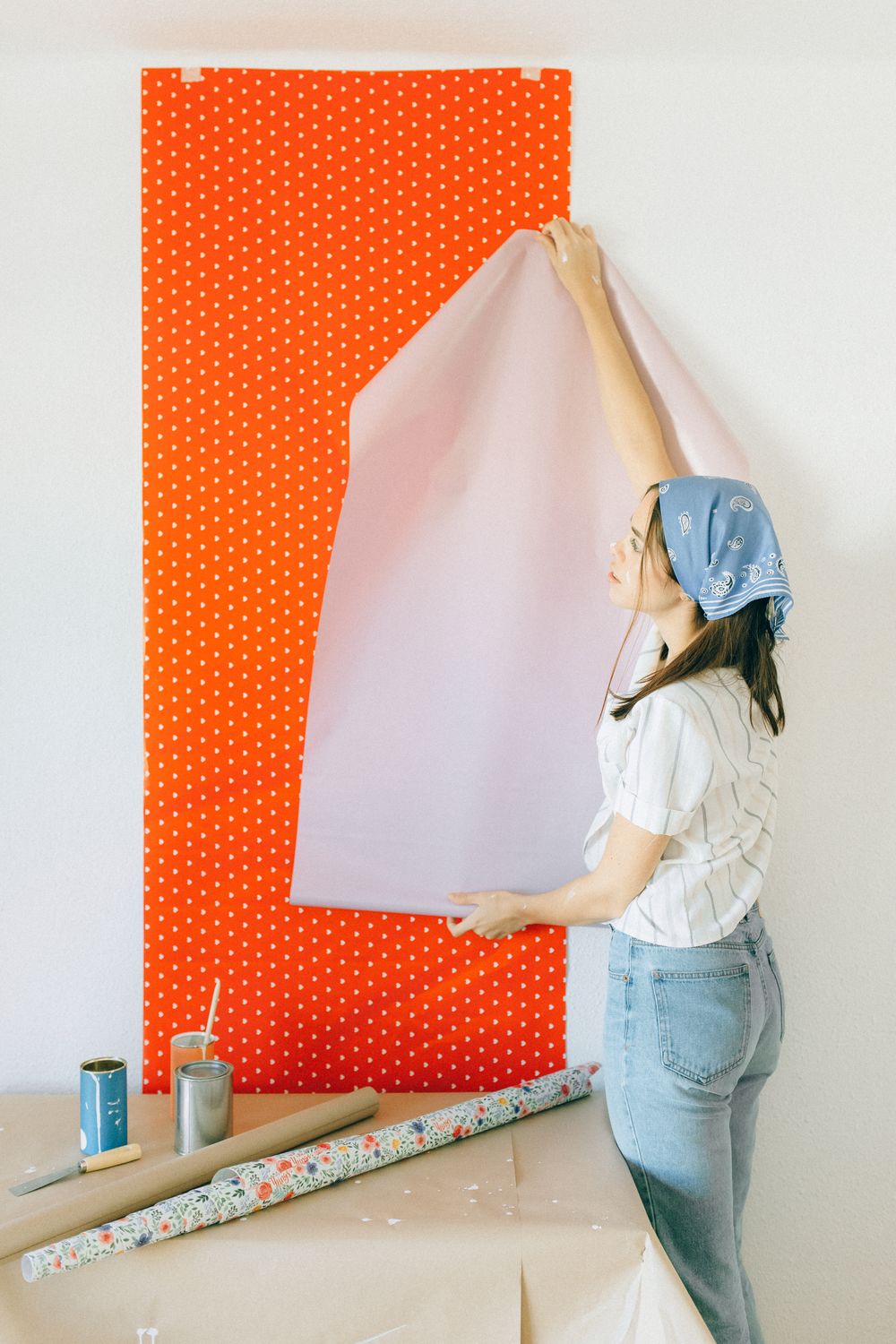
One accent wall of quality removable wallpaper is the fastest personality transplant a room can get, and good brands really do pull off clean.
The warning: "removable" assumes the wall's paint is sound. On cheap flat builder paint or old flaking paint, the wallpaper can take paint chips with it — exactly the deposit damage you were avoiding. Test protocol: stick a sample (or a full sheet) in a hidden corner, leave it two weeks, pull it slowly. Clean pull = green light.
Skill note: pattern matching across strips is the hard part. First-timers should pick small, forgiving patterns or textures rather than large geometric prints, and start behind furniture.
 Save
SavePeel-and-stick vinyl flooring: surprisingly legitimate
Vinyl plank and tile stickers over an ugly-but-flat existing floor is one of the highest-satisfaction upgrades in rentals — especially bathrooms, where the offending floor is small and the improvement is total.
Where it works: flat, clean, non-crumbling floors — old vinyl, linoleum, flat tile with thin grout lines. Small rooms are ideal (less cutting, less pattern drift).
Where it fails: uneven floors telegraph every bump through vinyl within weeks; wide or deep grout lines ghost through unless you skim-coat first; and big rooms magnify tiny alignment errors into visibly crooked rows by wall three.
Longevity honesty: expect 2–5 good years, not 15. For a rental or a "until we renovate properly" bathroom, that's exactly the right tool.
The universal install rules (this is where people fail)
 Save
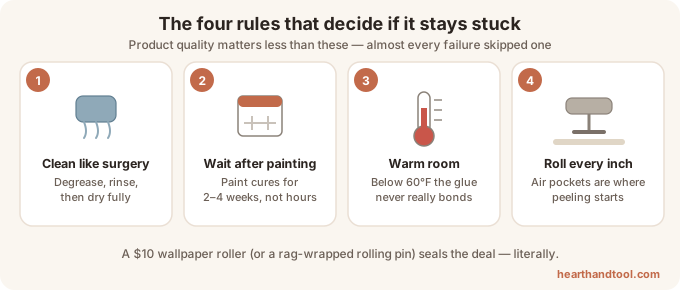
SaveProduct quality matters less than these four steps — nearly every "it fell off" review skipped one:
- Clean like it's surgery. Degrease with TSP-substitute or dish-soap solution, rinse, then dry fully. Adhesive sticks to grease exactly as well as you'd guess.
- Wait 2–4 weeks after painting. Paint feels dry in hours but cures for weeks; adhesive on uncured paint = both come off together.
- Warm room, warm product. Adhesives bond poorly below ~60°F. Let boxes acclimate indoors a day; in winter, warm the wall zone first.
- Roll or press every inch. Air pockets aren't just ugly — they're where peeling starts. A $10 wallpaper roller (or a rag-wrapped rolling pin) seals the deal, literally.
The verdict table
 Save
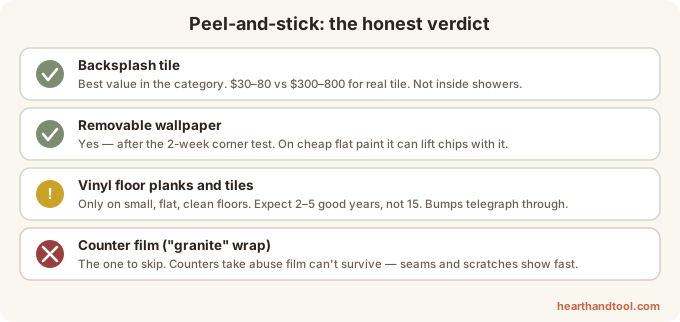
Save- Backsplash tile: yes, enthusiastically — best value in the category
- Removable wallpaper: yes, after the corner test
- Vinyl floor planks/tiles: yes for small flat-floored rooms, with honest lifespan expectations
- Peel-and-stick "granite" counter film: the one we'd skip — counters take abuse film can't survive; seams and scratches show fast
For the rest of the no-drill arsenal — hardware swaps, mirrors, lighting — see our 10 renter-friendly upgrades.