 Save
SaveEvery winter the same thing happens: someone buys weatherstripping, does the windows, and wonders why the house still feels cold and the bill still climbs.
The problem isn't the effort — it's the order. The biggest air leaks in most homes aren't the windows at all, and the cheapest fixes are usually in places nobody looks.
First: find them, don't guess
Pick a cold, ideally windy day and turn off the furnace and any fans.
The incense test. Light a stick of incense (or use a lit candle carefully) and walk it slowly around the edges of windows, doors, outlets, baseboards and where pipes enter walls. Where the smoke bends sideways or the flame flickers, you've found air moving. Mark the spot with painter's tape.
The hand test. On a windy day, run the back of your hand slowly around door and window frames. It's cruder but it finds the big ones fast.
The dollar bill test works for doors and windows that close: shut the bill in the gap and pull. If it slides out easily, the seal isn't touching.
What actually leaks, in order
 Save
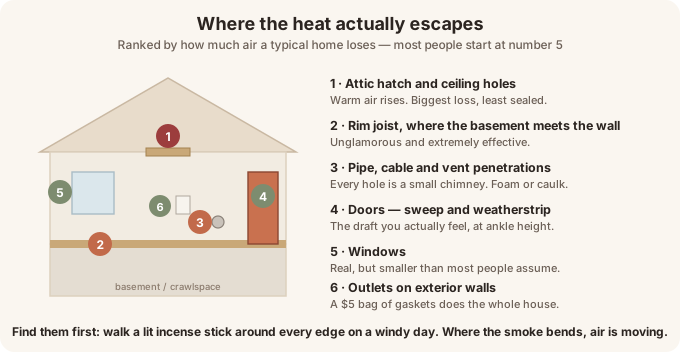
SaveThis is the part that changes results. Ranked by how much air a typical home loses:
1. The attic hatch and ceiling penetrations. Warm air rises and escapes through the attic access panel, recessed lights and the gaps around bathroom fans. This is the single biggest loss in most houses, and the one almost nobody seals. Weatherstrip the hatch edge and add a rigid foam panel on top of it.
2. Rim joists and where the basement meets the walls. In the basement or crawlspace, the band of framing at the top of the foundation wall leaks constantly. Sealing it with foam board and canned foam is unglamorous and extremely effective.
3. Plumbing and wiring penetrations. Under sinks, behind the washer, where the dryer vent and cables pass through exterior walls — each hole is a small chimney. Canned expanding foam for gaps over 1/4 inch, caulk for anything smaller.
4. Doors. Both the perimeter (weatherstripping) and the bottom (door sweep). An old door sweep is one of the most-felt drafts because it blows across the floor at ankle height.
5. Windows. Real, but usually smaller than people assume — and the fix is often caulking the frame to the wall on the outside rather than adding foam tape to the sash.
6. Outlets and switches on exterior walls. Cheap foam gaskets behind the cover plates. Small individually, but there are dozens of them.
 Save
SaveThe materials, and what each one is for
- Caulk — gaps under 1/4 inch that don't move: frame to wall, trim to wall, small penetrations. Our caulking guide covers the technique and which product goes where.
- Canned expanding foam — gaps from 1/4 to about 3 inches around pipes and cables. Use the low-expansion kind around windows and doors; the regular kind can bow a frame as it cures.
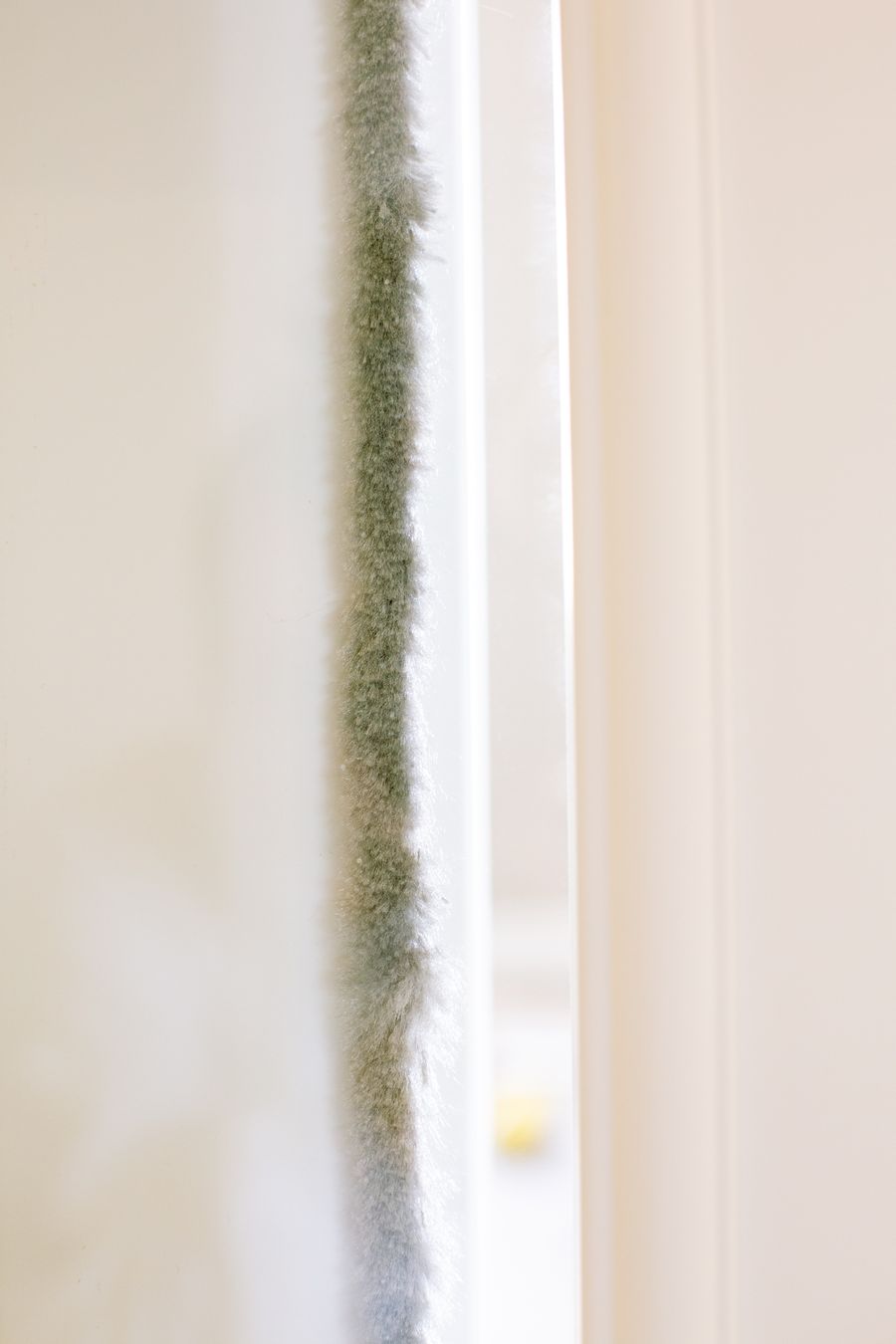
- Weatherstripping (foam, V-strip or rubber) — moving parts: door perimeters, window sashes. V-strip lasts longest.
- Door sweep — the bottom of exterior doors. $10–15 and often the single most noticeable improvement.
- Outlet gaskets — a $5 bag does the whole house.
Total for a thorough job: $60–120, and the energy saving typically pays that back in one heating season.
Do this in the right order
- Seal the attic hatch and any ceiling penetrations you can safely reach.
- Seal the rim joist / basement band if you have access.
- Foam or caulk every pipe, cable and vent penetration.
- Fix door sweeps and door weatherstripping.
- Caulk window frames outside; weatherstrip sashes inside.
- Add outlet gaskets last — the smallest win, the easiest job.
Two things not to seal
Don't block combustion or ventilation air. Furnace and water heater air intakes, dryer vents and bathroom fan outlets have to breathe. Sealing them causes real danger, not savings.
Don't seal a house tighter than it can ventilate. Older homes leak enough that this rarely comes up, but if you air-seal aggressively and start seeing condensation on windows or musty smells, you've reduced air exchange too far and need mechanical ventilation. That's a conversation with an HVAC professional.
 Save
SaveWhen it isn't drafts at all
If one room is always cold and you can't find air movement, the issue is usually insulation or a duct problem, not sealing. And if a door is letting air past because it no longer sits square in its frame, fix the door first — our sticking door guide covers the hinge adjustment that re-seats it.