 Save
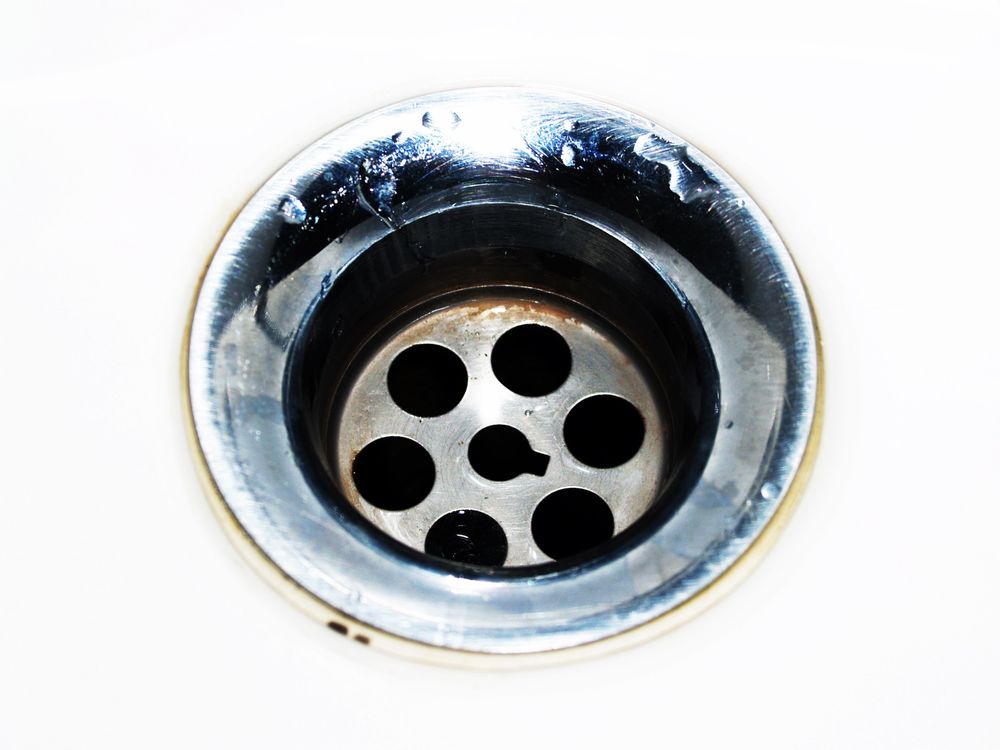
SaveA bathroom sink that drains slowly is almost never blocked deep in the pipes. The clog is usually within six inches of the opening, it's made of hair bound together with soap scum, and you can pull it out in about ten minutes with a $3 tool.
Before any of that, though, one piece of advice that will save you money and possibly your pipes.
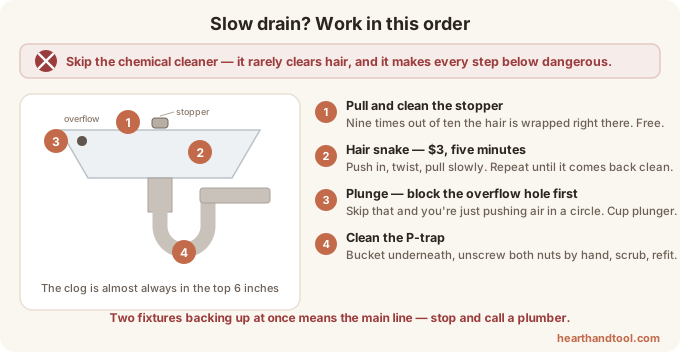
First: put down the chemical drain cleaner
It's the instinctive first move and it's the wrong one, for three reasons:
- It often doesn't work on hair clogs. It'll eat some of it and leave the plug behind, so you're back in a week.
- It sits in your pipe and heats up. Caustic cleaner resting against old PVC, seals or a partially blocked trap causes damage over time.
- It makes every following step dangerous. If it fails and you then open the trap, that liquid pours out onto your hands and into the bucket. Plumbers genuinely dread arriving to a fixture full of drain cleaner.
Use it only as a last resort before calling someone, and never mix products.
The order that actually works
 Save
Save1. Pull and clean the stopper (2 minutes, free)
On most bathroom sinks the pop-up stopper lifts straight out, or unhooks from a small pivot rod behind the drain under the sink. Lift it out and look — nine times out of ten the clog is wrapped around it. Clean it, rinse, put it back.
2. Use a hair snake (5 minutes, $3)
A plastic "zip-it" strip with barbs goes down the drain, hooks the hair mat, and pulls it out. It is deeply unpleasant and extremely effective. Push it in, twist, pull slowly, repeat until it comes back clean, then flush with hot water.
 Save
Save3. Plunge it — the right way
Most people plunge a sink wrong. You must block the overflow hole (the small opening near the top of the basin) with a wet rag, or you're just pushing air in a circle. Then add enough water to cover the plunger cup, and use short sharp pushes rather than one big shove.
Use a cup plunger (the flat kind) for sinks, not the flanged toilet plunger.
4. Clean the P-trap (15 minutes)
The U-shaped pipe under the sink catches everything, and it's designed to come apart:
- Put a bucket underneath. It will be full of water — that's normal, not a leak.
- Unscrew the two slip nuts by hand, or with tongue-and-groove pliers if they're tight.
- Pull the trap off, empty it, scrub it out with an old brush.
- Reassemble hand-tight plus a small nudge, then run water and watch the joints for drips.
If the trap was clear, the clog is farther along — run a hand snake into the pipe going into the wall.
 Save
SaveKitchen sinks are a different animal
Kitchen clogs are grease and food, not hair. Grease goes in as a liquid and cools into a coating that slowly narrows the pipe.
- Hot water and dish soap, flushed regularly, keeps a slow kitchen drain moving.
- Never pour cooking grease down the drain — wipe pans with a paper towel first.
- With a garbage disposal, run plenty of cold water, and keep fibrous scraps and coffee grounds out of it.
About the baking soda and vinegar trick
It's satisfying, it's harmless, and it's mostly theater. The fizz doesn't have the force to break a hair clog; what actually helps is the very hot water people flush afterward. Use it for maintenance and odor if you like — just don't expect it to clear a real blockage.
Prevention that takes 30 seconds a month
- A hair catcher in the shower and sink prevents nearly every future clog. Best two dollars in the bathroom.
- Flush drains with very hot water once a month.
- Clean the pop-up stopper whenever you clean the sink — seconds of work that stops buildup before it becomes a blockage.
When to call a plumber
If more than one fixture backs up at the same time — the sink gurgles when the toilet flushes, the shower rises when the tub drains — the problem is the main line, not that fixture. Stop and call. Same if water appears at floor level or you smell sewage. Those aren't DIY situations.
For drips rather than clogs, see our dripping faucet guide.